News & Briefings
Get the latest news and SOF commentary here. Your source for all news SOF since 2017.
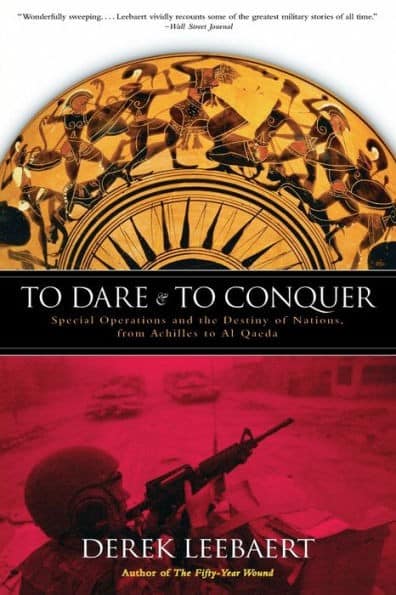
Derek Leebaert’s To Dare & To Conquer is an ambitious, sweeping tour through roughly 3,000 years of conflict, using one central argument as its compass: small, skilled forces, when properly employed, can change the destiny of nations. Leebaert frames “special operations” broadly, reaching back to ancient stories like the Trojan Horse and forward to modern counterterrorism-era case studies, arguing that history repeatedly turns on the actions of comparatively few people operating with speed, surprise, and specialized purpose.
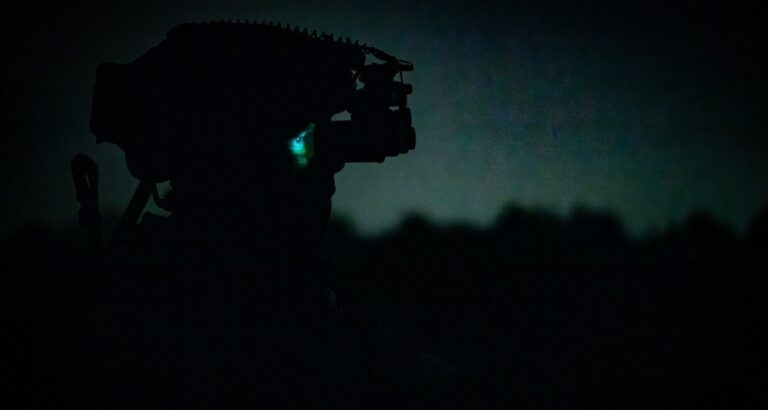
One of the most striking patterns I have observed across recent wars has little to do with drones, artificial intelligence, or precision fires. It has to do with darkness. In three major conflicts involving forces that range from professional to semiprofessional—the 2020 war between Azerbaijan and Armenia, the ongoing Russia-Ukraine war, and Israel’s campaign against Hamas after October 7, 2021—large-scale night operations have been notably rare. Outside of highly specialized units conducting limited raids, most decisive fighting has occurred during daylight. At night, both sides tend to pause, reorganize, and recover. In effect, the night is ceded rather than dominated.
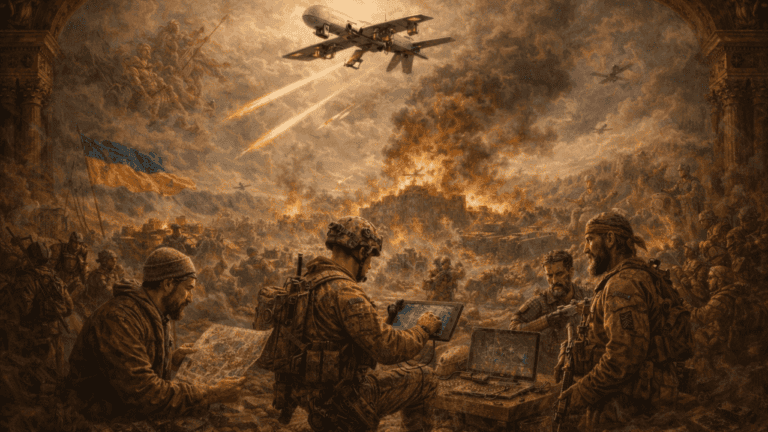
Twentieth-century warfare was defined by industrial-scale lethality: mass mobilization, mechanized destruction, and the pursuit of decisive battlefield supremacy. In contrast, the strategic environment of the twenty-first century reflects a profound transformation. The digital revolution has fractured traditional hierarchies of power, accelerated the flow of information across borders, and empowered individuals and non-state actors in unprecedented ways. As a result, warfare is no longer confined to the physical domain. It has expanded decisively into the cognitive realm, where perceptions, narratives, legitimacy, and belief systems constitute the primary battlespace.
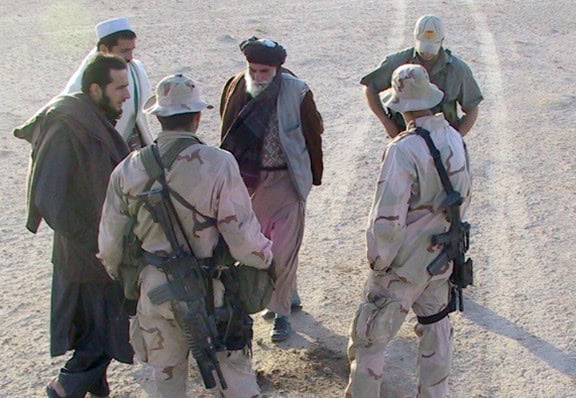
This article argues that cultural competence and relationship-building are essential force multipliers for special operations forces. When “the population is the center of gravity,” understanding that population becomes imperative for mission success. Comprehensive interdisciplinary cultural education, not just hardware or superficial “Dos and Don’ts,” is a critical skill that special operations forces need to build partner resilience and prevail in irregular warfare against peer competitors.
The authors join many leaders across the special operations enterprise who have expressed concern that the trend toward SOF convergence with exquisite technology may signal higher leadership’s overemphasis on tech at the expense of human-centric competencies and core tasks.

According to a special notice issued by the US Special Operations Command (SOCOM), US special operators are seeking industry information on facial recognition, speaker identification, and DNA profiling capabilities. Sensitive site exploitation is the process of gathering and processing intelligence gathered on the target to further the targeting process. Information can be gathered from both human and non-human sources.
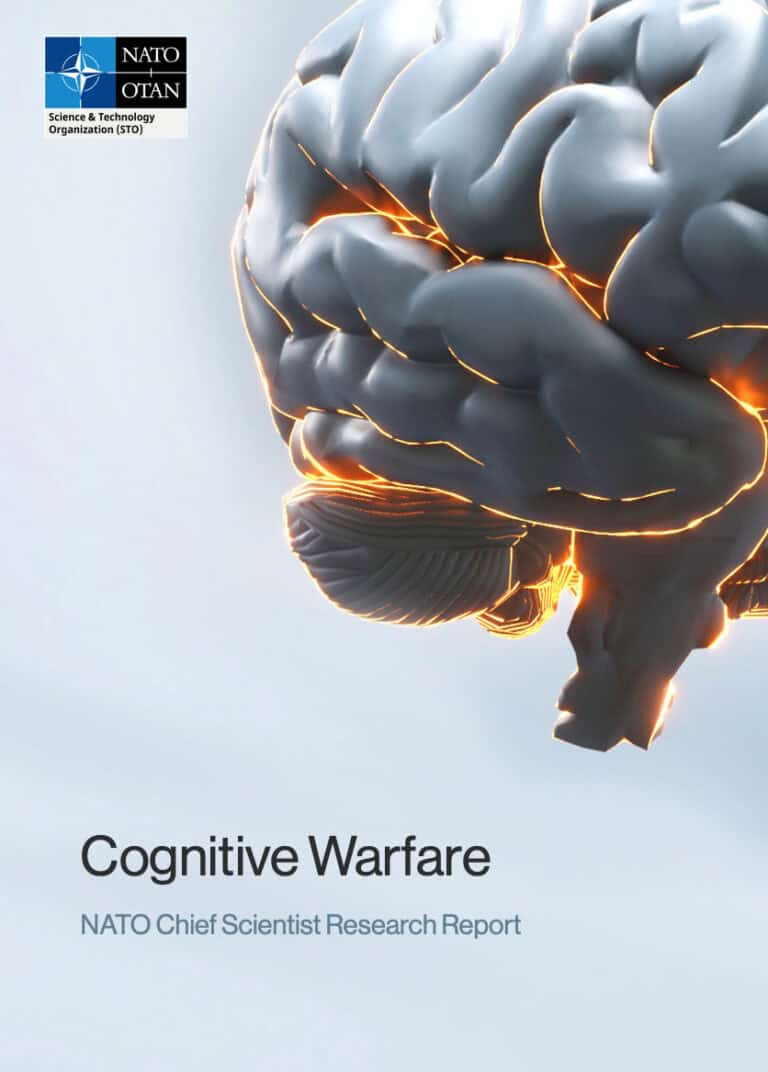
The Chief Scientist Research Reports (CSRRs) provide NATO’s senior political and military leadership with clear, evidence-based insight into science & technology (S&T) developments. These reports translate complex research results into actionable analysis to help the Alliance anticipate potential technological disruption, identify likely capability gaps, and adapt strategically in order to shape the future security environment and battlespace.
No results found.
Stay Up To Date
Subscribe to Our Newsletter and Stay Up to Date with the Latest Special Operations Forces Support News and Events