News & Briefings
Get the latest news and SOF commentary here. Your source for all news SOF since 2017.
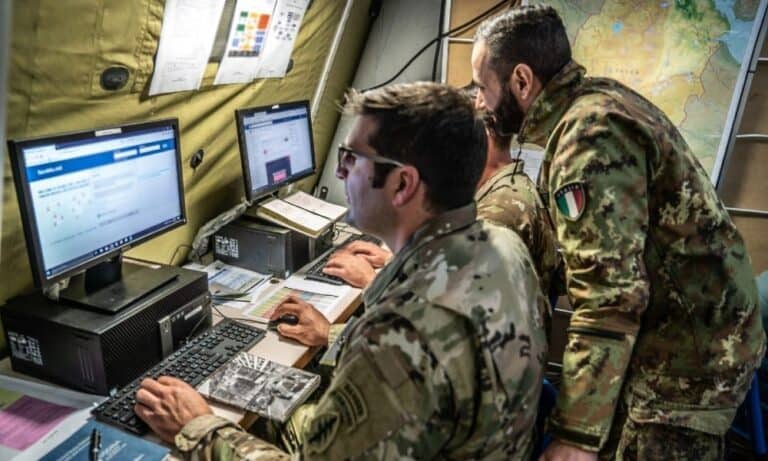
Modern conflict unfolds in an environment no longer covered in secrecy. In a new era of unprecedented transparency, publicly available information often shapes operations faster than classified intelligence. Drawing on lessons from Ukraine, this article argues that United States (U.S.) Special Operations must treat open-source intelligence (OSINT) as a primary discipline and reform organizational structures to enable faster decision-making. Without proactive OSINT integration, Special Operations risks ceding tempo and information advantage to adversaries who operate in the open.
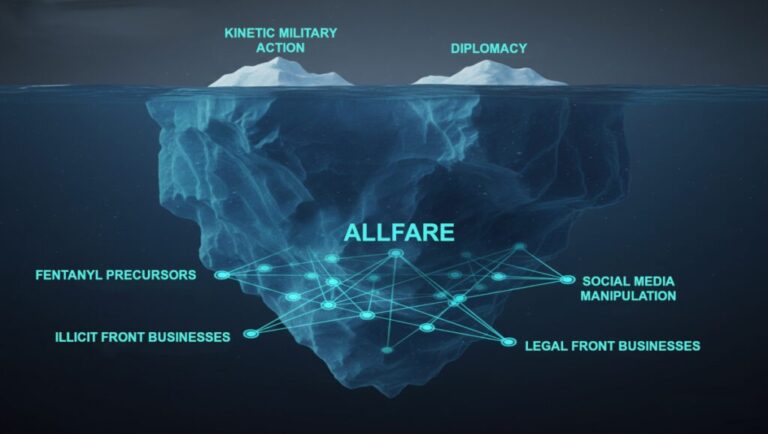
Current paradigms of understanding the People’s Republic of China’s (PRC) actions against the West typically use the DIME framework or even the Chinese Communist Party’s (CCP)’s own “Three Warfares.” However, these frameworks that bin actions into discrete categories fail to encapsulate the totality of the PRCs activities targeting the west. While the United States hesitates to admit its “competition” with the PRC is conflict, the PRC appears to leverage all forms of warfare short of kinetic operations in daily affairs. To analyze how states exert their influence, scholars often compartmentalize actions into rigid analytical frameworks, which obscures the holistic scope of the challenge. By decomposing actions and analyzing them through the common frameworks, analysts fail to appreciate the interconnectedness across all elements of national power, particularly clandestine and sub-state illicit activities. These disadvantages call for a new model of analysis.
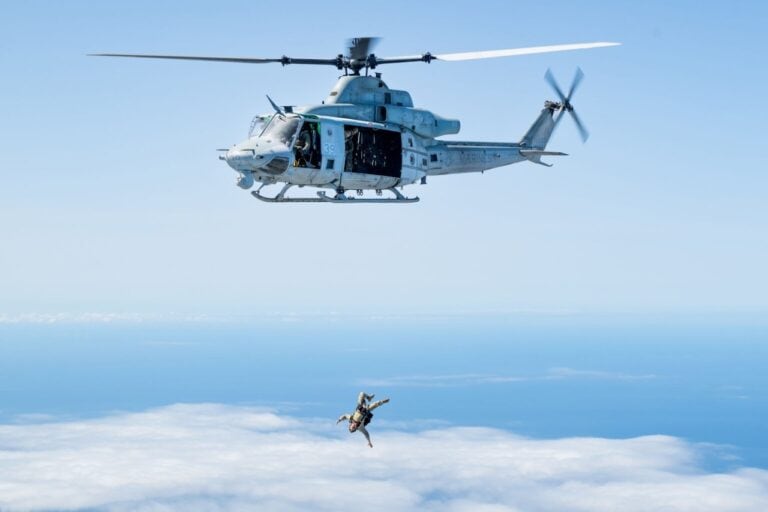
For decades, the Navy SEALs have been among the most recognized names of the U.S. military's elite warfighters. This month marks 64 years since the establishment of this storied force, which traces its roots back to the amphibious scouts, raiders and demolition units of World War II.
The SEALs — an acronym for sea, air and land — are the Navy's most well-known special operations force. They require some of the most grueling training in the world; only a fraction of those who try out for the notoriously difficult six-month Basic Underwater Demolition/SEAL training course finish it. After BUD/S, only those who graduate from SEAL qualification training are lucky enough to be awarded the coveted trident insignia and earn the Navy special warfare operator rating.
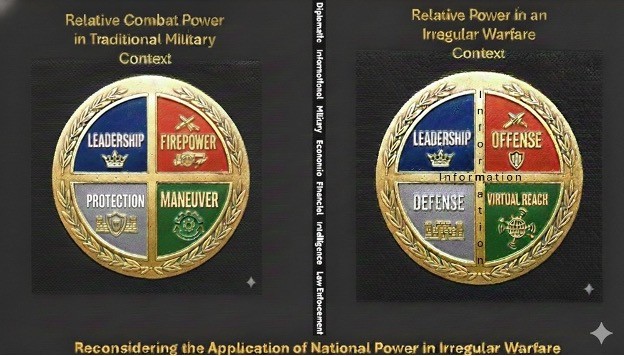
Irregular warfare (IW) has re-emerged as the dominant mode of great-power competition in the twenty-first century, driven by accelerating globalization, digital hyperconnectivity, and the strategic behavior of revisionist states seeking advantage below the threshold of open armed conflict. Unlike conventional warfare, IW is not defined by decisive battles or territorial conquest. Instead, it is characterized by persistent, ambiguous, and multidomain competition designed to shape political environments, economic systems, social cohesion, and institutional legitimacy over time.
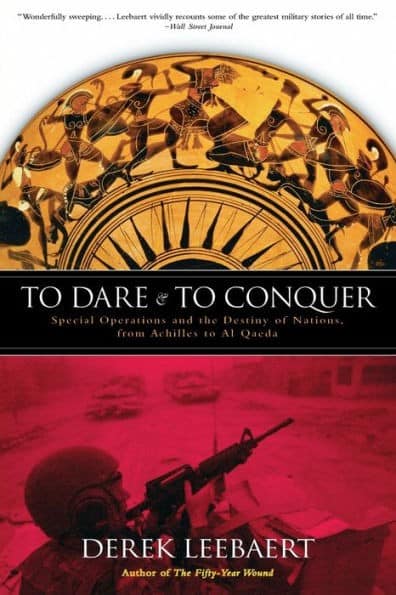
Derek Leebaert’s To Dare & To Conquer is an ambitious, sweeping tour through roughly 3,000 years of conflict, using one central argument as its compass: small, skilled forces, when properly employed, can change the destiny of nations. Leebaert frames “special operations” broadly, reaching back to ancient stories like the Trojan Horse and forward to modern counterterrorism-era case studies, arguing that history repeatedly turns on the actions of comparatively few people operating with speed, surprise, and specialized purpose.
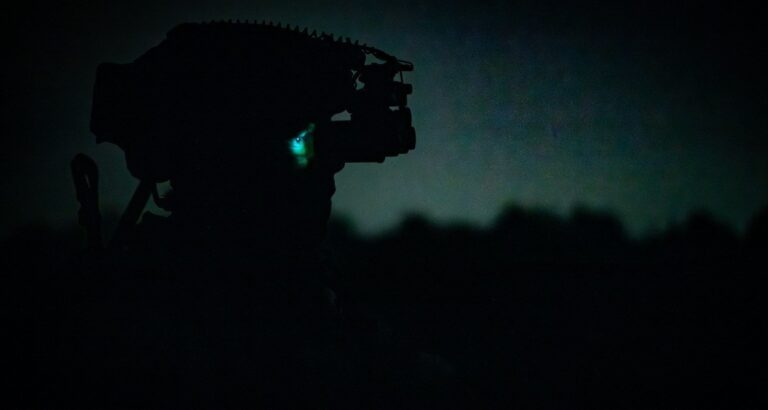
One of the most striking patterns I have observed across recent wars has little to do with drones, artificial intelligence, or precision fires. It has to do with darkness. In three major conflicts involving forces that range from professional to semiprofessional—the 2020 war between Azerbaijan and Armenia, the ongoing Russia-Ukraine war, and Israel’s campaign against Hamas after October 7, 2021—large-scale night operations have been notably rare. Outside of highly specialized units conducting limited raids, most decisive fighting has occurred during daylight. At night, both sides tend to pause, reorganize, and recover. In effect, the night is ceded rather than dominated.
No results found.
Stay Up To Date
Subscribe to Our Newsletter and Stay Up to Date with the Latest Special Operations Forces Support News and Events