News & Briefings
Get the latest news and SOF commentary here. Your source for all news SOF since 2017.

In 1962 at West Point, John F. Kennedy looked at a corps of future officers and told them their wars would not look like their fathers’ wars. He spoke of infiltration instead of invasion, subversion instead of elections, guerrillas by night instead of armies by day. Then he did something more important than give a speech. He acted on his words.
He elevated Special Forces and gave them the Green Beret. He signaled that the quiet, unconventional work of building resistance, strengthening partners, fighting for legitimacy, and contesting narratives was central to American strategy, not a sideshow. He respected the men who lived in the villages, spoke the languages, and worked in the shadows.
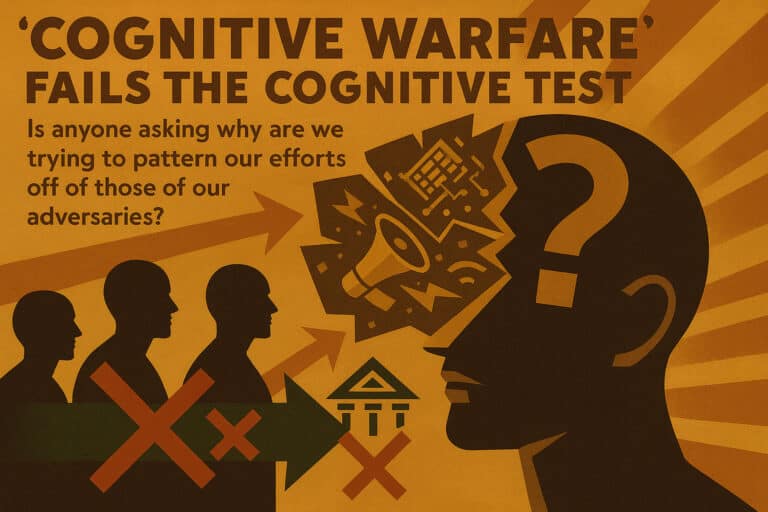
The estimable Frank Hoffman penned1 something that is part literature review of the term “cognitive warfare” and part defense of the term. I trust Frank’s assessments and generally defer to his experience and analytical rigor. In “Assessing Cognitive Warfare,” however, his work is incomplete; it reads as if it were lifted from a larger work. The result is a noble, if flailing, argument that “cognitive warfare” is a term that should be defended. This is, in part, because another nation uses it and because it has some unique value because… I’m not sure… is it because synonymous terms tried by the US over the past century haven’t stuck?

Despite its introduction over a decade ago by the People’s Liberation Army, there is no common understanding of Cognitive Warfare. Nor is there an agreement on the existence of a human or cognitive domain. These concepts compete in a crowded and confusing field centered around information technology and the related information dimension of statecraft. While the US intelligence community notes the increasing prevalence of Chinese concepts and research for what they term Cognitive Domain Operations (as well as active Russian activities), there is little appreciation for the implications of Cognitive Warfare in the US military as described by the pacing threat.
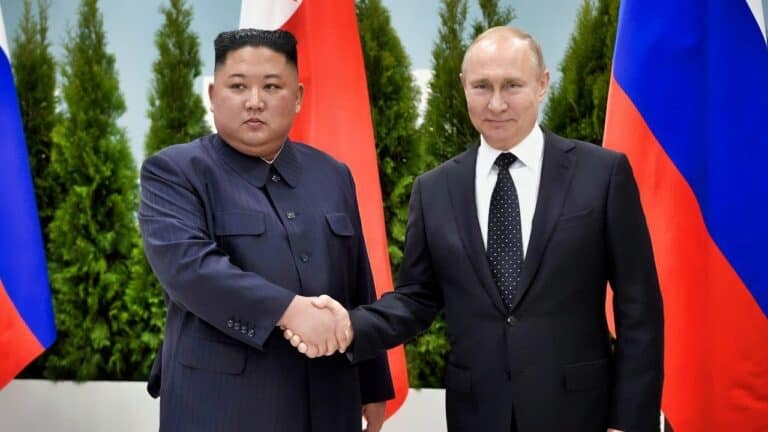
The 2025 Defending International Security by Restricting Unlawful Partnerships and Tactics (DISRUPT) Act represents Congress’s most ambitious bipartisan initiative to counter the coordinated challenges posed by China, Russia, Iran, and North Korea.
By mandating an interagency plan to “disrupt, frustrate, and constrain” adversary cooperation, the Act implicitly acknowledges that the United States is engaged in a global contest of systems, one that cannot be won through traditional deterrence alone.
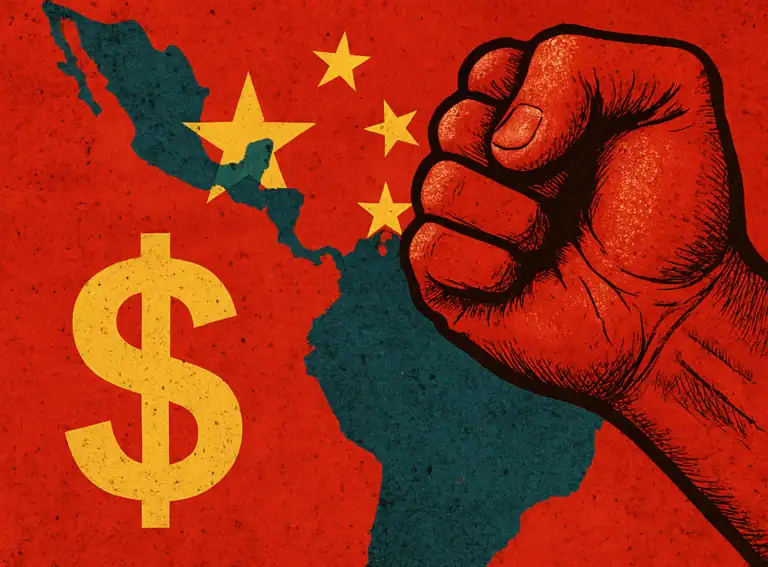
“Economic security is national security.” This core principle, long echoed across the U.S. interagency—from the White House’s National Security Strategy to Treasury and Commerce policy directives—has gained renewed urgency as strategic competition intensifies in the Western Hemisphere. In no place is this more evident than in Latin America and the Caribbean, where economic statecraft has become the terrain of contestation.
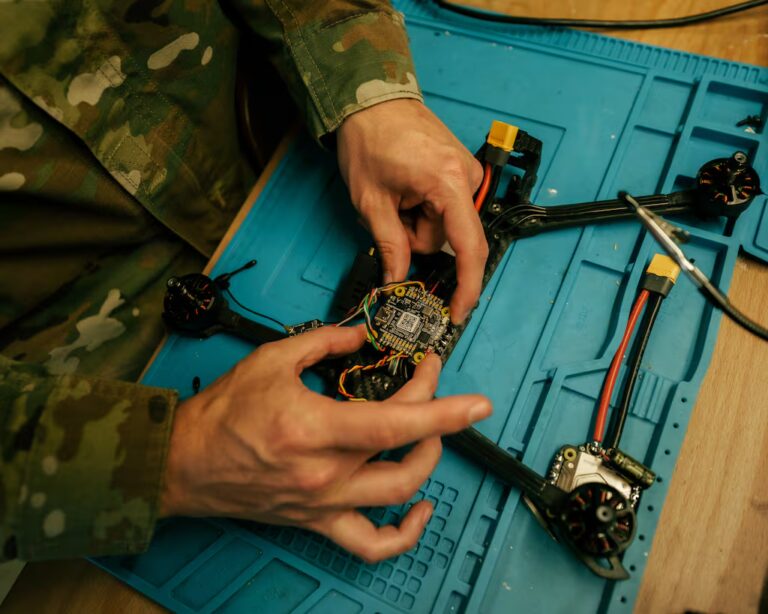
Wielding drones in combat missions and being able to repair them on the spot could soon become a new standard among the skills fielded by the operators of U.S. Special Operations Command, per a solicitation released Wednesday.
SOCOM wants a contractor to develop a 10-day course for six operators twice a year to train them in all aspects of building and flying first-person view drones, according to the performance work statement from Naval Special Warfare Command, which oversees the training and formation of Navy SEALs.
No results found.
Stay Up To Date
Subscribe to Our Newsletter and Stay Up to Date with the Latest Special Operations Forces Support News and Events