News & Briefings
Get the latest news and SOF commentary here. Your source for all news SOF since 2017.
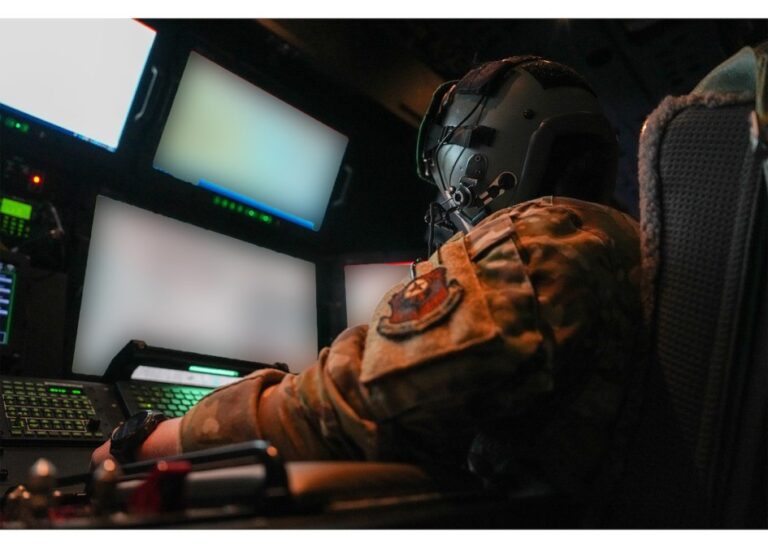
U.S. Special Operations Command amended a broad agency announcement this week, adding additional AI and advanced autonomy capabilities to its technology wish list. The move comes amid a broader modernization push by special ops forces and the Defense Department to add new digital tools and robotic platforms to their arsenal.

The tactical victory that is reshaping modern views on artificial intelligence in warfare didn’t happen in a sterile lab but in the contested airspace over Ukraine and far behind enemy lines deep in Russian territory. In June 2025, a swarm of 117 commercially available drones, each costing about $600–$1,000 and equipped with AI navigation, successfully breached Russian airfield defenses. They damaged over 40 strategic aircraft, including Tu-95 bombers valued at billions. This operation, costing less than $120,000, achieved a cost-exchange ratio of over 1:1,000, fundamentally challenging traditional military economics and the use of AI.

For decades, China's cyber espionage centered on stealing intellectual property from the United States to bolster its own military and economy. But as its hackers grew more proficient at penetrating sensitive U.S. systems, these efforts moved beyond theft to positioning themselves to physically disrupt critical infrastructure.

“Economic security is national security.” This core principle, long echoed across the U.S. interagency—from the White House’s National Security Strategy to Treasury and Commerce policy directives—has gained renewed urgency as strategic competition intensifies in the Western Hemisphere. In no place is this more evident than in Latin America and the Caribbean, where economic statecraft has become the terrain of contestation.
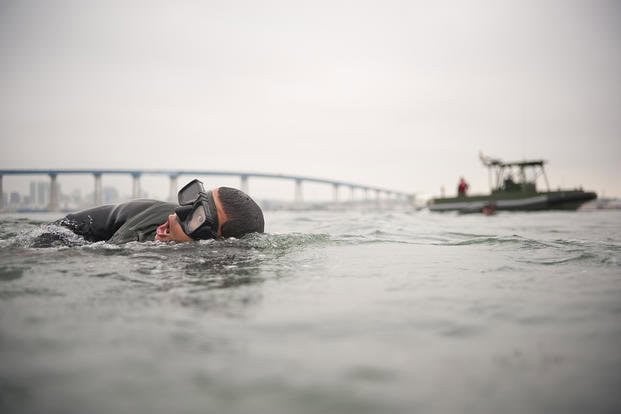
Navy SEAL and Navy SWCC training share a foundation rooted in rigorous training, water competency and high fitness standards. Many people ask about the differences between these Navy Special Warfare programs, and while both are highly selective and physically challenging, they differ in their tactical mission and training focus.
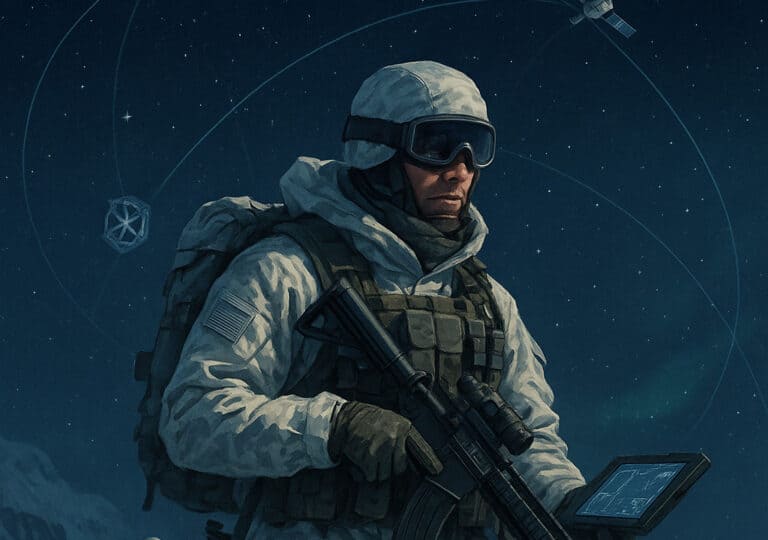
New frontiers of strategic competition beckon for immediate special operations forces (SOF) transformation to prevail in the space domain and the polar regions. Aligned with Assistant Secretary of Defense for Special Operations and Low Intensity Conflict Colby Jenkins’ call to think differently and work together, this article proposes two enhanced roles for combined SOF in the competition sphere—a Space Joint Terminal Attack Controller(SJTAC) function and an emphasis on “reverse” security force assistance (SFA) for selected NATO Arctic allies who rely on the principle of “collective defense” for national security. While numerous efforts across the U.S. Air Force Special Operations Command and U.S. Space Force aim to meet the “all-domain fires” demand, and Allied Arctic-focused trainingand exercises have been in place for decades, this essay offers refined proposals in both areas for SOF. While seemingly distinct, both converge in the Arctic, where NATO SOF will require on-call space-based capabilities coupled with SFA essential for High North survivability and success.
No results found.
Stay Up To Date
Subscribe to Our Newsletter and Stay Up to Date with the Latest Special Operations Forces Support News and Events