News & Briefings
Get the latest news and SOF commentary here. Your source for all news SOF since 2017.
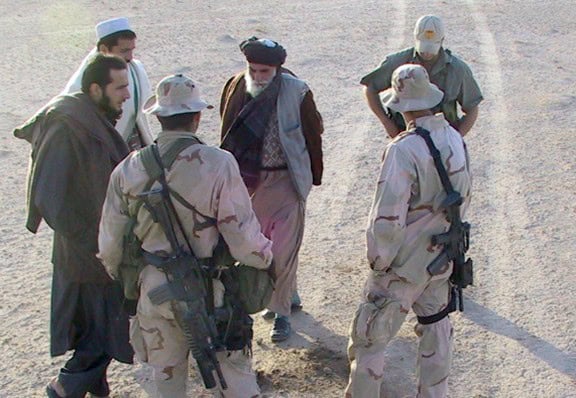
After the failure to build a sustainable Afghan military that could survive without U.S. presence, many scholars and practitioners now argue that U.S. efforts to build foreign militaries are nearly predestined to fail and should rarely, if ever, be undertaken. In Training for Victory: U.S. Special Forces Advisory Operations from El Salvador to Afghanistan, Frank Sobchak pushes back against this view, arguing that “…we have not failed because advising our allies is too hard; we’ve failed because we have never taken it seriously …Building foreign militaries is a difficult, long-term, and often thankless endeavor. But it is not impossible” (2024, 177).
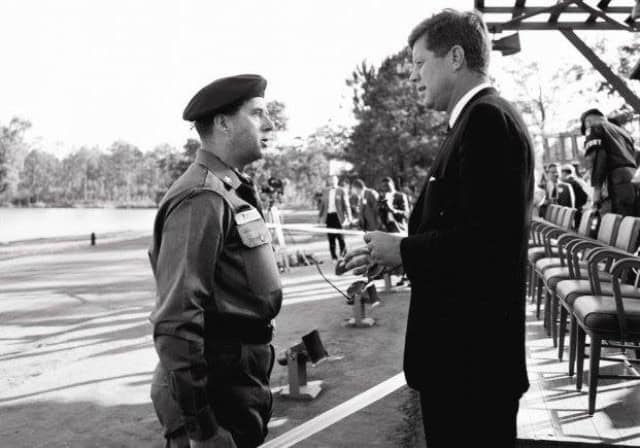
De Oppresso Liber, “To Free the Oppressed,” is more than the official motto of the U.S. Army Special Forces (SF); it encapsulates an all-encompassing philosophy rooted in resistance, the pursuit of liberty, and the strategic practice of statecraft. The SF soldier is not a mere tactician of clandestine action but an archetype of the modern strategist-statesman, uniquely trained to navigate the ambiguities of revolution, insurgency, civil conflict, and terrorism. In this capacity, the SF soldier embodies a blend of traditions and philosophies that place the highest value on freedom, human dignity, and self-determination, while remaining grounded in moral clarity and strategic prudence.
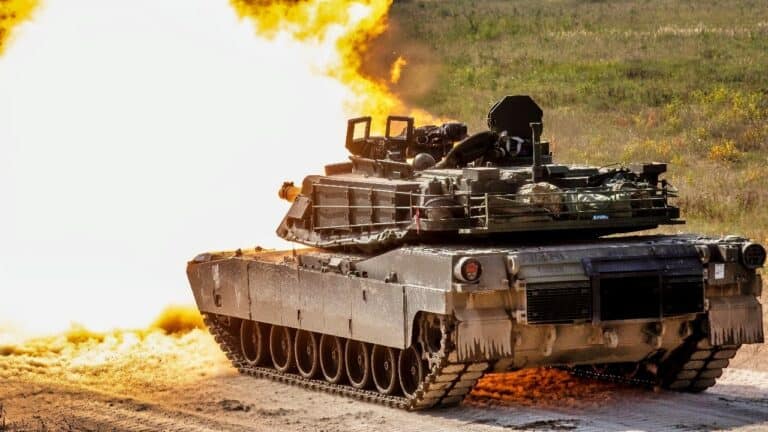
The U.S. Army is grappling with the emergence of agentic warfare—the convergence of artificial intelligence (AI), autonomous systems, and algorithmically driven operations that promises to transform the conduct of war.

The world is about to enter the era of agentic warfare. In this article, we outline a theory of agentic warfare and use it to define what the United States should do to maintain its military power in this era. Although the United States may have embraced the potential of AI in the aftermath of World War II, its future is up for grabs.
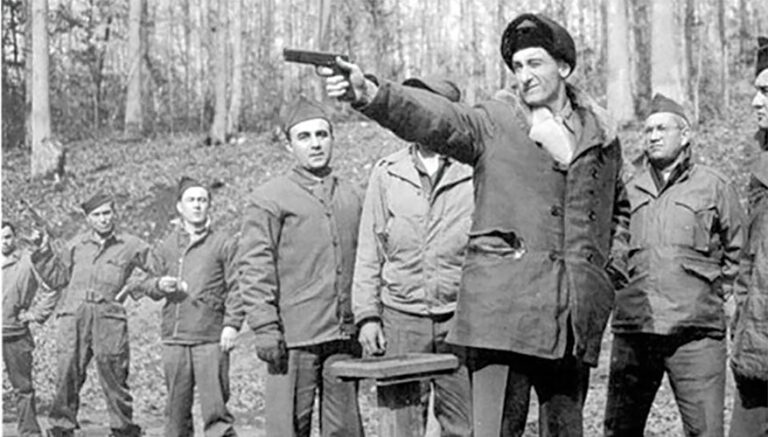
On June 8, 2024, Israeli forces executed a hostage-rescue operation in Nuseirat, central Gaza. The Israeli operation was widely reported to have utilized civilian disguises, with some forces allegedly being transported in civilian vehicles and wearing civilian clothing. In the aftermath, the former Executive Director of Human Rights Watch, Kenneth Roth, contended that these alleged uses of civilian disguises may have violated the laws of perfidy. This contention prompts one to consider the usefulness of disguises in combatting irregular adversaries embedded within civilian areas, and to wonder whether this rescue operation would have been possible without some form of disguise.
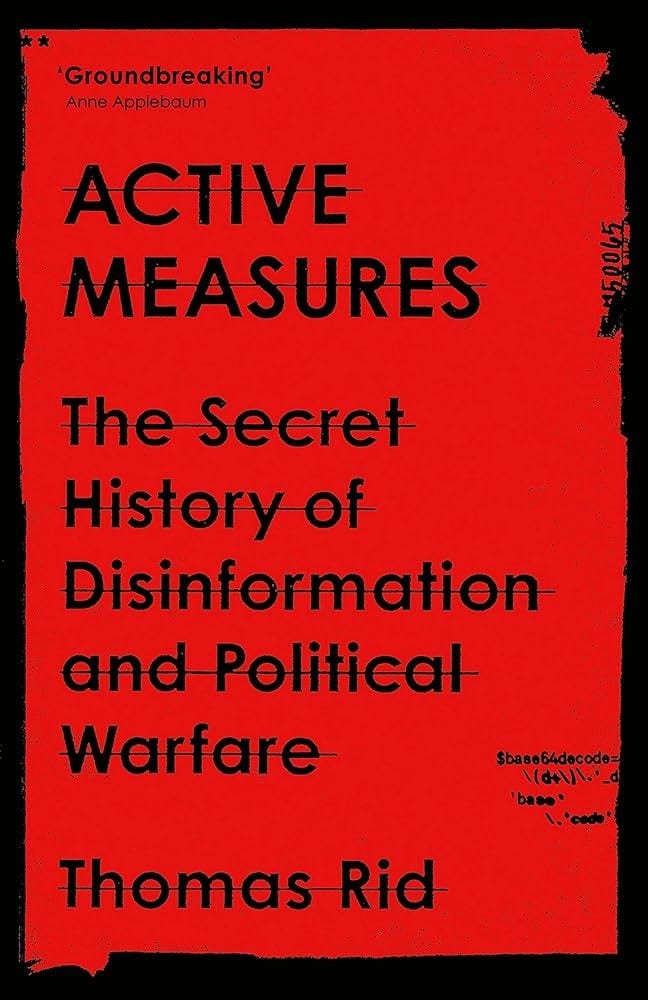
n Active Measures, Thomas Rid delivers a meticulously researched and urgent history of political warfare, tracing the evolution of disinformation from early Soviet operations to the digital onslaught of the twenty-first century. He argues that disinformation isn’t new—it’s a refined tool of statecraft. “This modern era of disinformation began in the early 1920s,” Rid writes, as “‘political warfare’ grew and changed in four big waves, each a generation apart” (p. 6). Today, he notes, “private correspondence gets stolen and leaked…,” as influence operations exploit public division (p. 6). As strategic competition shifts toward perception and influence, Rid’s analysis offers essential context for understanding modern conflict.
No results found.
Stay Up To Date
Subscribe to Our Newsletter and Stay Up to Date with the Latest Special Operations Forces Support News and Events