News & Briefings
Get the latest news and SOF commentary here. Your source for all news SOF since 2017.
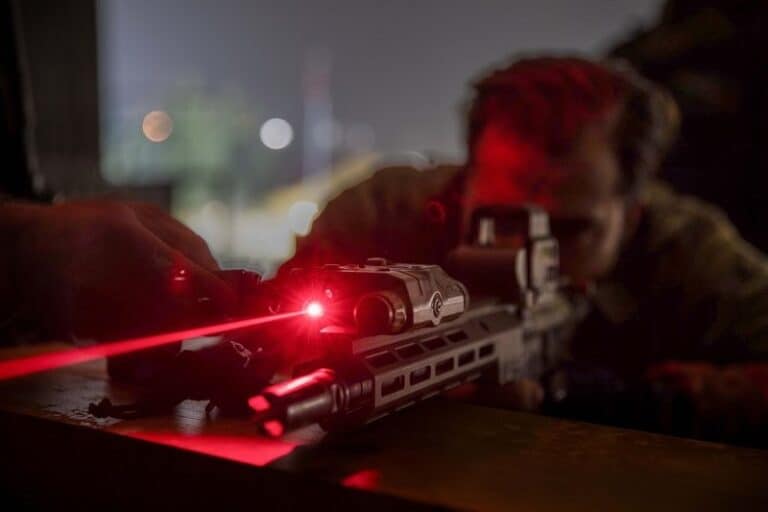
The diverse use cases of Artificial Intelligence (AI) have been turning it into a critical tool for Special Operations Forces (SOF).
The flexibility of AI and its wide range of applications provide multiple operational and tactical advantages for SOF teams and the unique tasks they have to perform. Those benefits have been guaranteeing its role in tomorrow’s warfare.
A rebuttal to J.R. Seeger’s “A New Office of Strategic Services?” published by FPRI in May 2025.
A recent piece in the Foreign Policy Research Institute (FPRI) penned by a retired Central Intelligence Agency (CIA) officer argues against proposals to revive the Office of Strategic Services (OSS) model for today’s strategic competition environment. In the piece, the author argues: “Reviving the OSS would add additional bureaucracy without any additional capability and could easily risk intelligence fratricide at a time when the United States needs more focus rather than more capability.”

Rapid technological advancements are revolutionizing human augmentation, making cognitive and physical enhancements for military personnel not only feasible but also a priority for global
superpowers such as the United States and China. As technology advances and global competition intensifies, military scholars explore ways to enhance U.S. Special Operations Forces (SOF) through
emerging technologies such as brain-computer interfaces (BCIs).
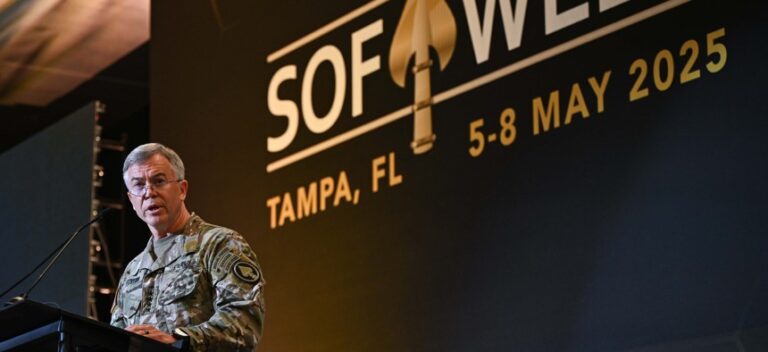
Today’s special operators are rapidly becoming the model for the rest of the U.S. military, disrupting how the Defense Department does everything from buying gear to responding to global crises.
The geopolitical transformation of warfare demanded an entirely new doctrine of war. Beginning during the Cold War, the rise of militant non-state actors and proxy wars established a need for a new set of unconventional forces. A force that was small, agile, and adaptable. In the 1980s the Joint Special Operations Command (JSOC) was created to unify these units tasked with America’s toughest missions. As America continues to expand and grow the scope of its special operations forces, so too does the command element of such forces.
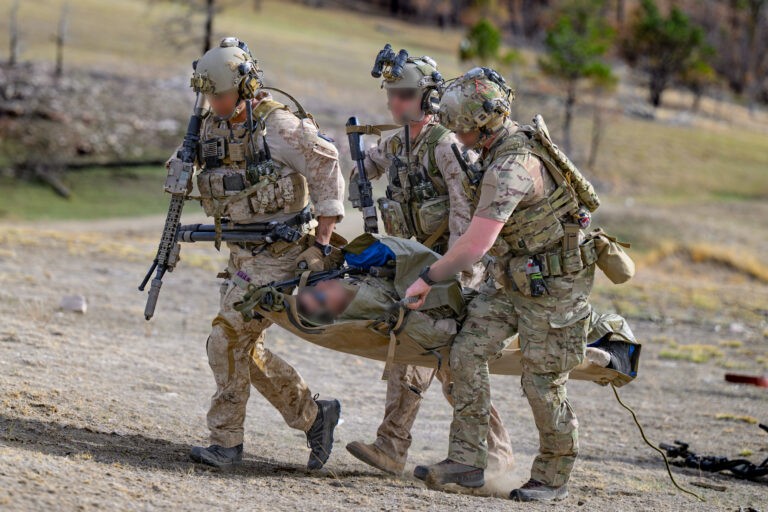
All U.S. special operators will soon wear concussion sensors as the services aim to better track brain health. Special Operations Command will begin fielding a blast exposure monitoring system next year.
Officials who develop and procure all the gear that touches the body of an operator laid out that initiative and a host of other items they plan to upgrade or replace in the next few years here on Wednesday at the Global SOF Foundation Special Operations Forces Week conference.
No results found.
Stay Up To Date
Subscribe to Our Newsletter and Stay Up to Date with the Latest Special Operations Forces Support News and Events