
News & Briefings
Get the latest news and SOF commentary here. Your source for all news SOF since 2017.
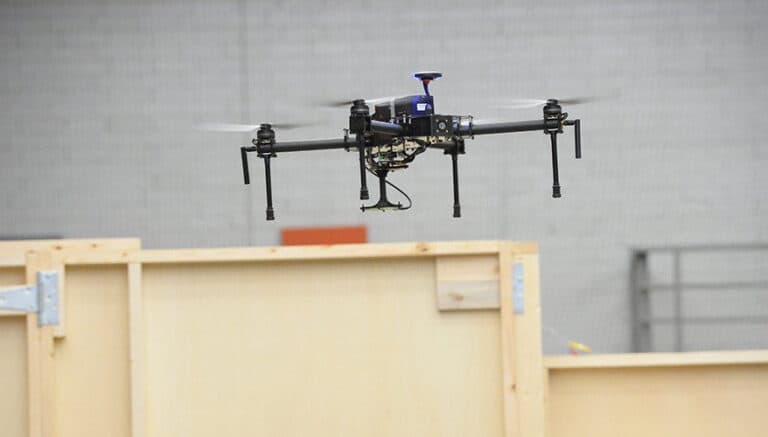
When Special Operations Command released a strategy document last year titled the “SOF Renaissance,” it emphasized a framework ‘“tailor made” to face the challenges of a changing strategic landscape. But one area where the command has some ground to cover is its arsenal of unmanned systems, its commander said.

Special Operations Forces (SOF) play a significant role in U.S. military operations. In 1986, Congress, concerned about the status of SOF within overall U.S. defense planning, passed legislation (P.L. 99-661) to strengthen special operations’ position within the defense community and to improve interoperability among the branches of U.S. SOF. These actions included the establishment of U.S. Special Operations Command (USSOCOM) as a new unified command.
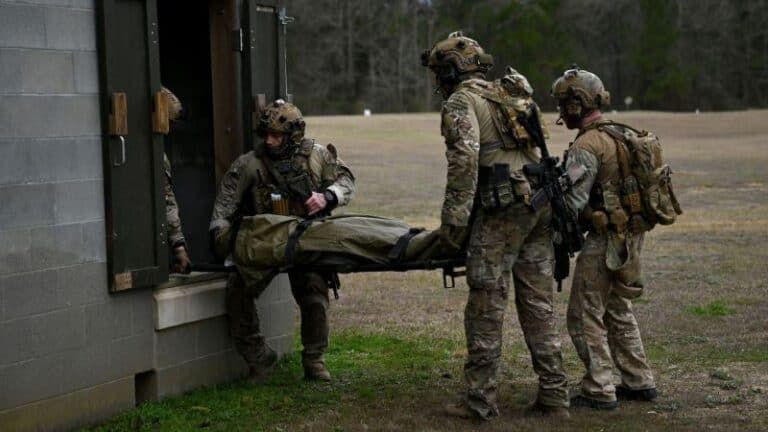
Just a few years ago, the Special Forces mission set included just 5 basic taskings: Unconventional Warfare, Direct Action, Foreign Internal Defense, Counterterrorism, and Special Reconnaissance. Why have the five basic missions, for which the Special Forces Regiment was adequately staffed and trained, proliferated into nine expansive missions, for which the Special Forces Regiment is understaffed and inexperienced?
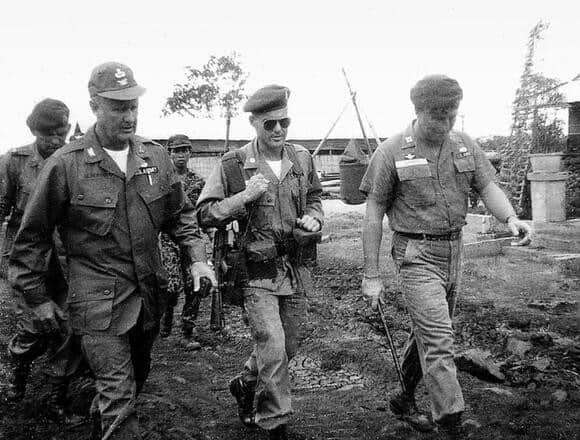
Most people know about the US Navy SEALs and the US Army Green Berets, famous for their guerrilla warfare, training local troops, and direct combat roles during the Vietnam War . But another key group, MACV-SOG, often goes unnoticed. This elite unit combined special forces soldiers with CIA operatives to form a secret team that carried out some of the war’s most dangerous and successful covert missions.
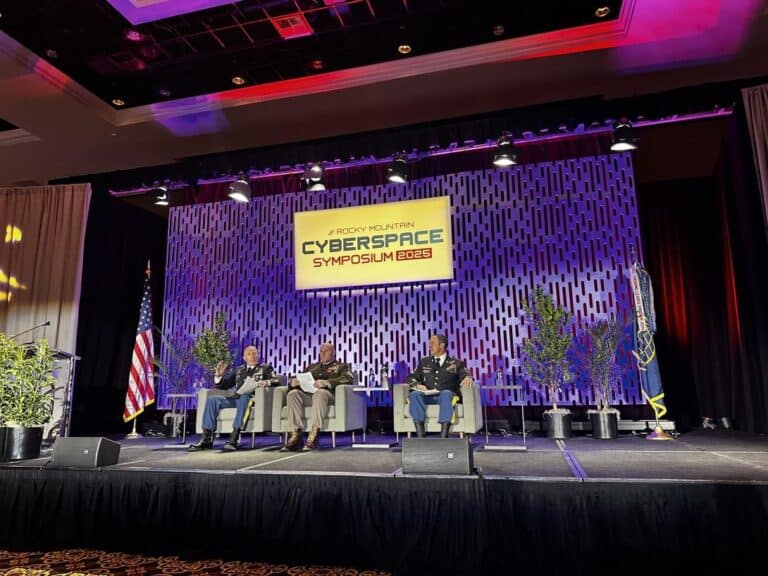
To advise, assist and accompany the Special Operations Forces of Ukraine, the U.S. Special Operations Forces, specifically the 10th Special Forces Group, have had to change their warfighting mindset, approach to technology integration, talent management and communication.
China announced in December stringent and targeted export restrictions on critical minerals, including banning shipments of gallium, germanium and antimony to the United States.
Gallium and germanium are two of the most essential minerals required to develop high-performance chips, and they are preferred in defense applications over traditional silicon processors due to their properties that boost performance, speed and energy efficiency.
No results found.
Stay Up To Date
Subscribe to Our Newsletter and Stay Up to Date with the Latest Special Operations Forces Support News and Events