News & Briefings
Get the latest news and SOF commentary here. Your source for all news SOF since 2017.
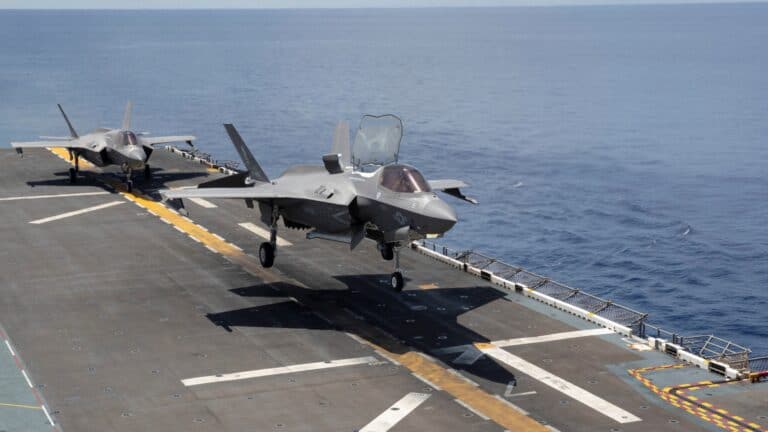
The Goldwater-Nichols Act has resulted in "a pervasive pattern within the military of neglect of long-term defense procurement strategies and requirements," the Mitchell Institute argues in a new policy paper.
The Defense Department has been unable to adequately prepare for great power competition with Russia and China due in large part to the inability of service chiefs to prioritize funding and other resources away from today’s needs to those of tomorrow, argues a new policy paper from the Mitchell Institute for Aerospace Studies.

President Trump’s landmark executive order designating major drug cartels as Foreign Terrorist Organizations (FTOs) marks a watershed moment in America’s approach to national security and strategic competition against China. This reclassification acknowledges an uncomfortable truth: the fentanyl crisis is not merely a law enforcement challenge but a sophisticated form of irregular warfare targeting American society, with cartels serving as proxies in a broader strategic campaign orchestrated by China against U.S. interests.

Since Russia’s ambiguous intervention in Ukraine in 2014, the concept of hybrid warfare has gained attention in Western academic, defense policy, military practitioner, and media circles. Despite its rising popularity, the concept hybrid warfare is analytically problematic.
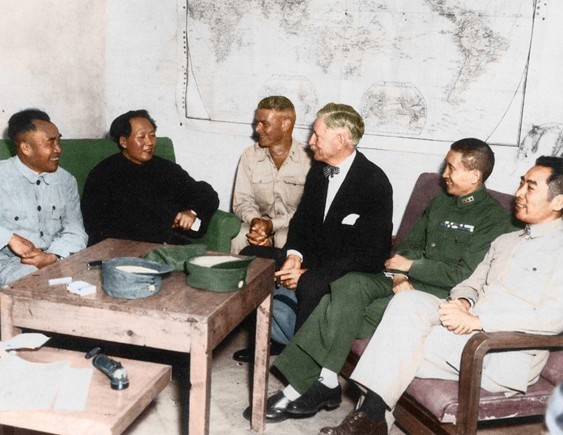
Unbeknownst to many, before the United States held such a tenuous relationship with China, the US military closely worked with Mao Zedong and the founding Communist leaders during World War II, particularly through the shared approach of guerrilla warfare. During that period, the Chinese Communists implemented guerrilla warfare as their primary form of fighting, enabling the Communists to withstand superior weapons and military might by the Japanese and the Nationalist government since 1927.
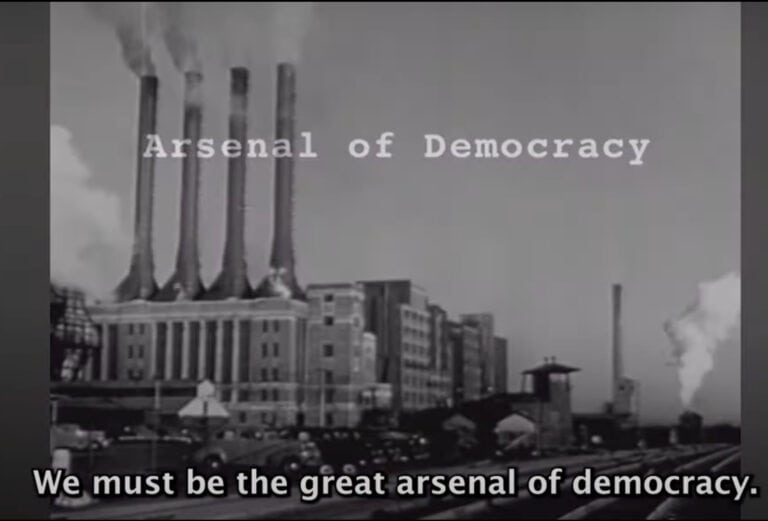
This push to revitalize our defense industrial base is crucial for conventional military strength. It enhances our nation’s capacity to engage in irregular warfare (IW). The ability to rapidly produce and supply resources ensures that special operations forces and other units engaged in irregular warfare have the tools necessary to maintain a strategic advantage. This includes capabilities in artificial intelligence, electronic warfare, and advanced surveillance systems, among others.
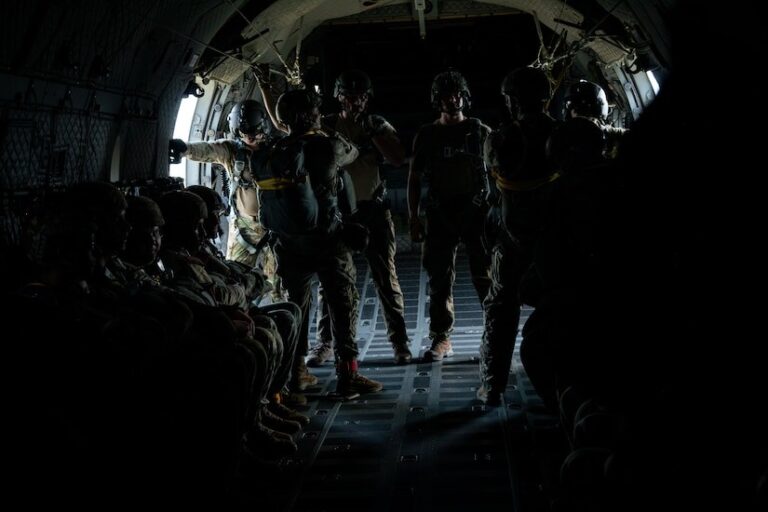
The American military has an asymmetrical advantage over any possible adversary with its special operations community, and the processes are in place to keep that advantage going well into the future, said Chris Maier, the assistant secretary of defense for special operations and low-intensity conflict.
No results found.
Stay Up To Date
Subscribe to Our Newsletter and Stay Up to Date with the Latest Special Operations Forces Support News and Events