News & Briefings
Get the latest news and SOF commentary here. Your source for all news SOF since 2017.
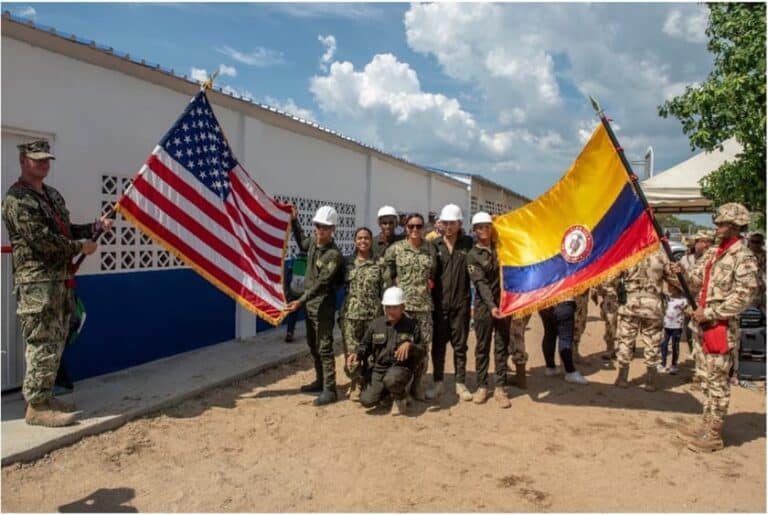
In August 2021, Afghan National Security Forces collapsed in a mere eleven days following the withdrawal of the United States military. Two decades of training and advising ended without resistance before a materially inferior Taliban force reclaimed power amid an authority vacuum. The principal problem was a cultural misalignment. The coalition was compatible in the desire to build tactical military capability, yet it could not read Afghanistan at the higher level. It misjudged the country's strategic culture, its faith, and its social fabric. Afghanistan had little in common with Western norms, and little wish to adopt them. It was a failure of coherence among ends, ways, and means.
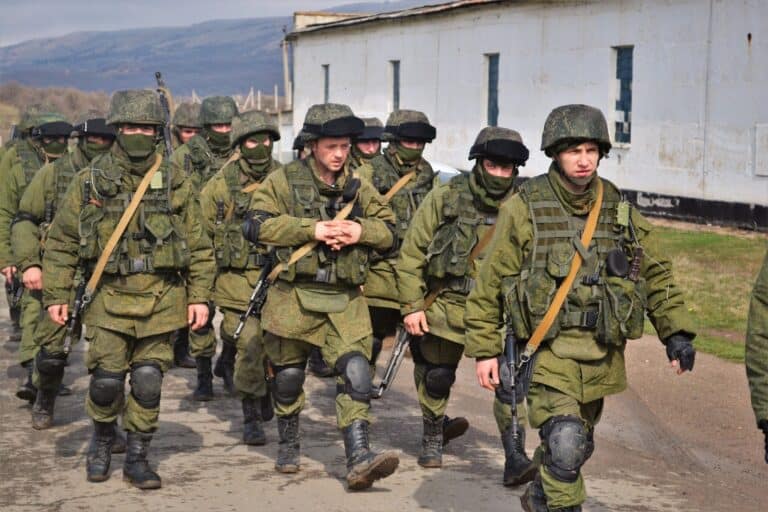
Russia’s 2014 annexation of Crimea from Ukraine demonstrated how a relatively simple campaign of deception and ambiguity could exploit the deliberate decision-making process of liberal democracies, delaying any meaningful response long enough for the operation to achieve its objective. Over a decade later, advancements in technology, specifically generative artificial intelligence (AI), now threaten to magnify that vulnerability by allowing adversaries to rapidly produce convincing synthetic video, audio, imagery, and other forms of manipulated media at an unprecedented scale. The next “Little Green Man” may not appear as an unmarked soldier, but as an information environment so saturated with competing versions of reality that democratic leaders struggle to determine when and how to respond. This article argues that liberal democracies must prepare now by adapting doctrine, training decision-makers to operate under uncertainty, and developing rapid authentication and attribution capabilities that reduce an adversary’s ability to turn uncertainty into strategic advantage.

A Pentagon watchdog warns in a new report that some of the US Navy's elite special warfare boat crews may be returning to dangerous missions and activities with undiagnosed brain injuries due to breakdowns in reporting, screening, and follow-ups.
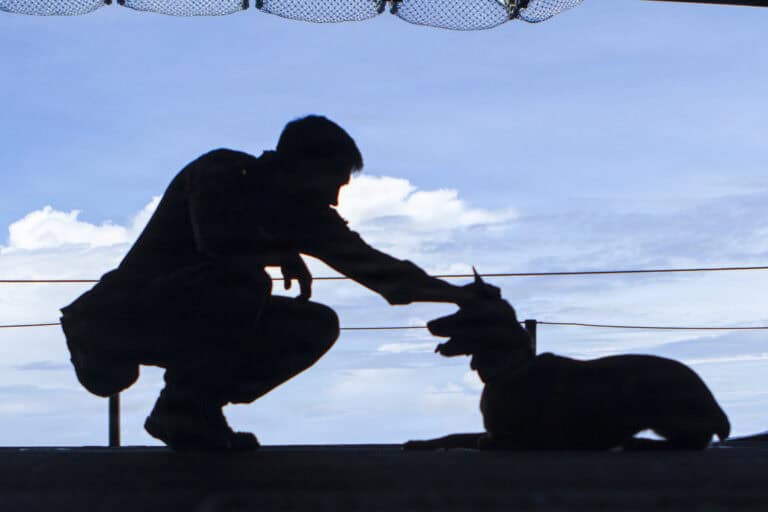
Defense Health Agency team wins program management award for securing FDA clearance of canine plasma
A critical medical breakthrough for military working dogs earned top honors during the Military Health System Research Symposium, Kissimmee, Florida, Aug. 3, 2026.
The Canine Freeze-Dried Plasma (cFDP) Integrated Product Team earned the MHSRS Program Management Award in recognition of its exceptional collaboration in securing the first-ever Food and Drug Administration (FDA) clearance for a cFDP product.
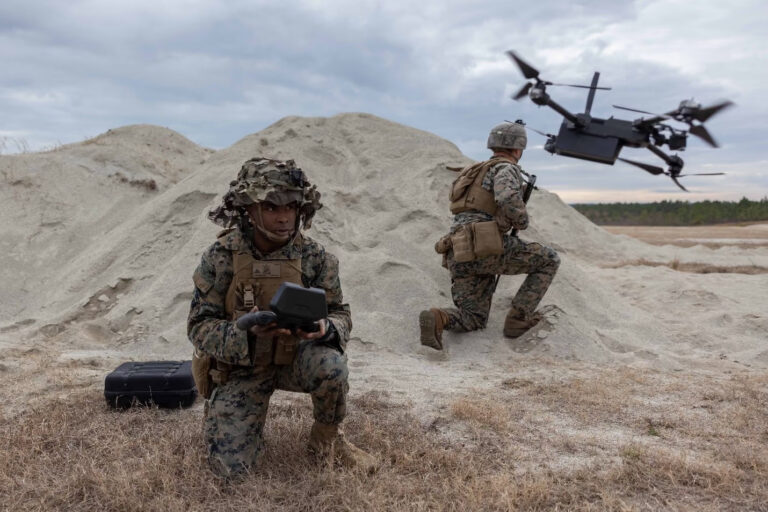
Since 9/11, Special Operations Forces (SOF) have often been cast as the United States’ sharpest instrument: they hunt high-value targets, train partners, and operate at the seams where conventional forces cannot reach or persist. Thriving in permissive skies and largely uncontested electromagnetic spectrums against weaker foes, those conditions are waning if not already gone. The trends remaking warfare—saturated sensors, democratized precision, machine-speed competition below the threshold of war—are dissolving the advantages SOF have enjoyed. The question this raises is not whether SOF will survive the transition, but whether the qualities that made them indispensable during the War on Terror are the same ones that future conflicts will demand.
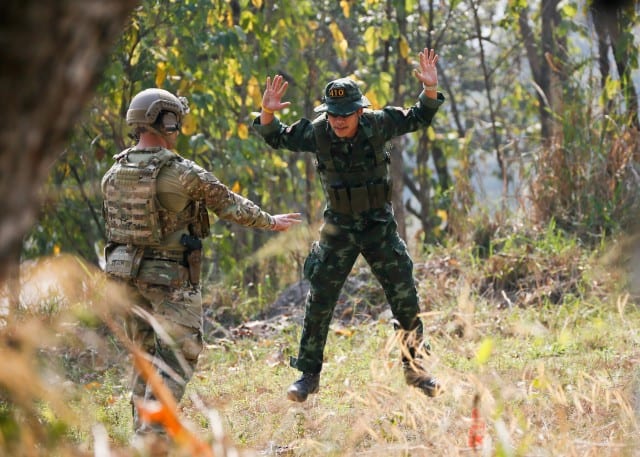
It is conceivable that in one blistering campaign, the People’s Republic of China could invade, occupy, and forcibly annex Taiwan. One question would dominate the post-occupation debate: “What more could have been done?” The obvious answers will be better intelligence, bigger exercises, more weapons. One underexamined answer is a different model for U.S. special operations forces advising.
No results found.
Stay Up To Date
Subscribe to Our Newsletter and Stay Up to Date with the Latest Special Operations Forces Support News and Events