News & Briefings
Get the latest news and SOF commentary here. Your source for all news SOF since 2017.
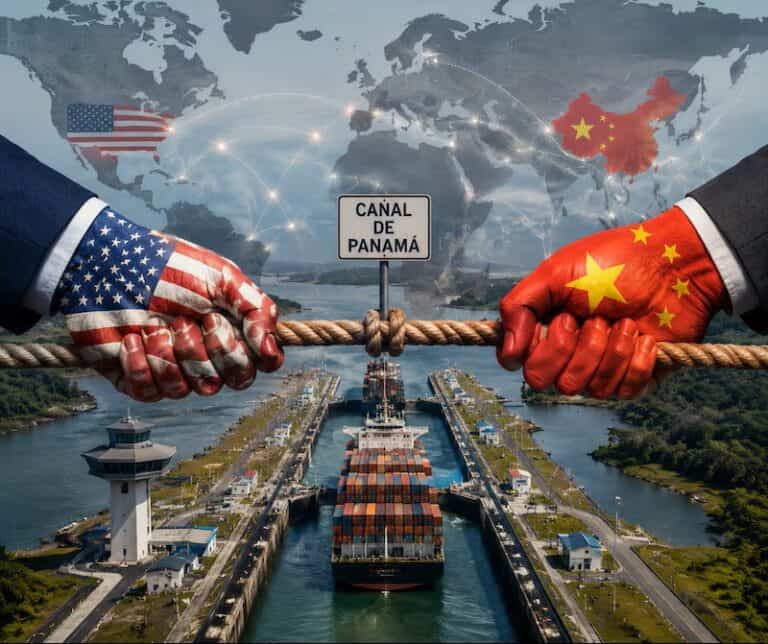
In recent years, China has paired its economic expansion with growing media and digital influence efforts, using strategic communications to strengthen its presence in key sectors such as ports, telecommunications, energy, and logistics. Through state media, embassies, social media platforms, and local partners, Beijing promotes narratives that portray China as a reliable partner and a driver of development. These campaigns are not solely intended to improve China’s image. They also seek to shape the political and social environment in which projects involving strategic infrastructure are debated. The goal is to build support for Chinese investments while reducing public scrutiny of potential risks related to economic dependencies, control of critical infrastructure, and security concerns.
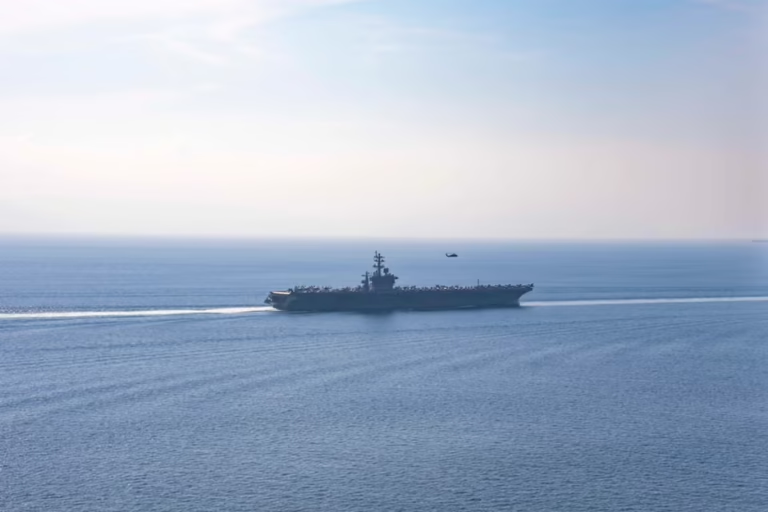
In mid-March 2026, satellite imagery confirmed what many defense analysts had long feared: the USS Gerald R. Ford and USS Abraham Lincoln carrier strike groups had quietly abandoned their forward offensive positions near Iran. The Ford moved south into the central Red Sea near Jeddah; the Abraham Lincoln relocated to the southwestern waters of Oman near Salalah, moving it from less than 350 kilometers to more than than 1,100 from the Iranian coastline. The official language was clinical: a “controlled reallocation of naval assets.” The strategic signal was harder to spin. The most powerful surface warships on earth had been repositioned out of missile range of a state that the United States was simultaneously striking. Whether one calls that prudence or precedent, it deserves serious analysis.
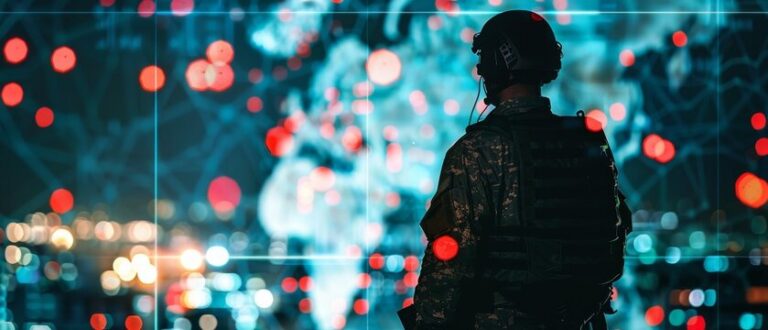
The cognitive warfare tools demonstrated in Ukraine and Iran are not exclusively a high-intensity conflict problem. They are reshaping the gray zone as well, and the adversaries employing them below the threshold of kinetic engagement are operating faster than the doctrinal frameworks governing US competition-phase operations. This article applies the Praxis AI Doctrine’s Cognitive Warfare Operationalization Model to the below-threshold information environment and argues that special operations and interagency practitioners need cognitive warfare literacy as urgently as they need kinetic readiness.
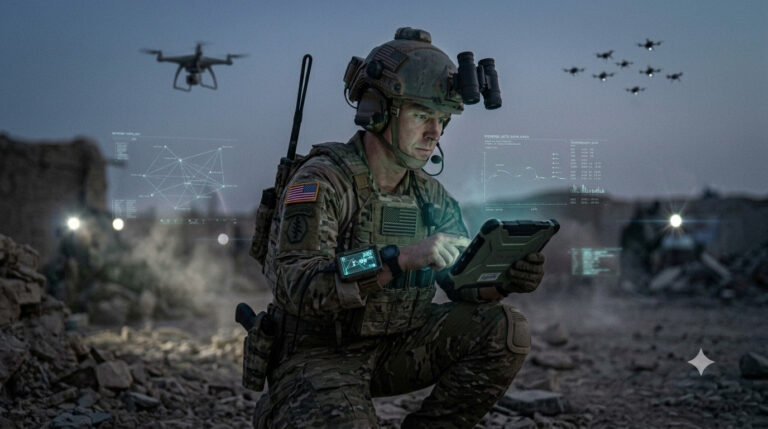
The technological shifts introduced in Part 2 (The Two Trinities and the Human-Domain Advantage) should be read against the criterion space established by the two SOF trinities. Cyber integration, space-denied operations, and human-machine teaming matter for SOF selection to the extent that they alter how operators execute unconventional warfare (UW), irregular warfare (IW), and support to political warfare, not because they constitute a free-standing criterion of their own.
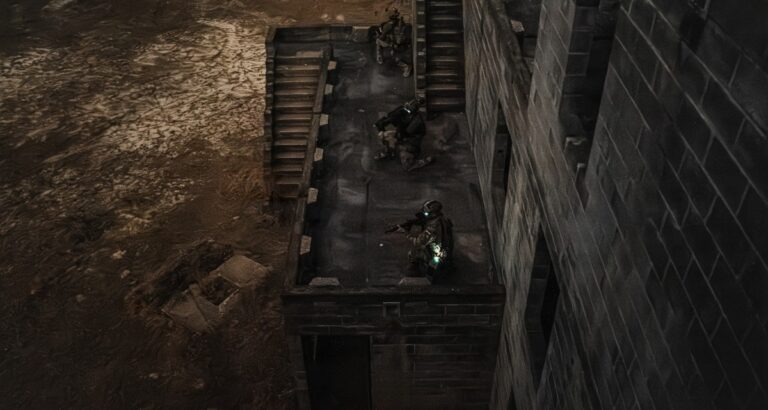
The global security environment is reshaping, forcing military planners to contend with the prospects of large-scale conflict. That has led to significant debate regarding the future of US Army Special Forces and their role in such a conflict. The fictional Operation Iron Shadow points toward a near future in which that role is clearly defined and Special Forces are as indispensable as they were during twenty years of low-intensity conflict during America’s post-9/11 wars. Adversarial states such as China and Russia have developed advanced capabilities, including antiaccess and area-denial systems, cyber warfare tools, and robust command-and-control networks, all designed to challenge the ability of the United States and its allies to project power and achieve dominance. While conventional forces remain the primary means of achieving decisive outcomes in this contested environment, Army Special Forces offer unique capabilities that complement and amplify the effectiveness of the joint force. Specifically, by conducting deep area operations and deep strike, Special Forces can disrupt adversary systems, shape the battlespace, and create dilemmas for enemy commanders well beyond division and corps fire support coordination lines. These operations, grounded in Special Forces’ expertise in unconventional warfare, extend the joint force’s operational reach and enable it to achieve strategic objectives in ways that conventional forces alone cannot.
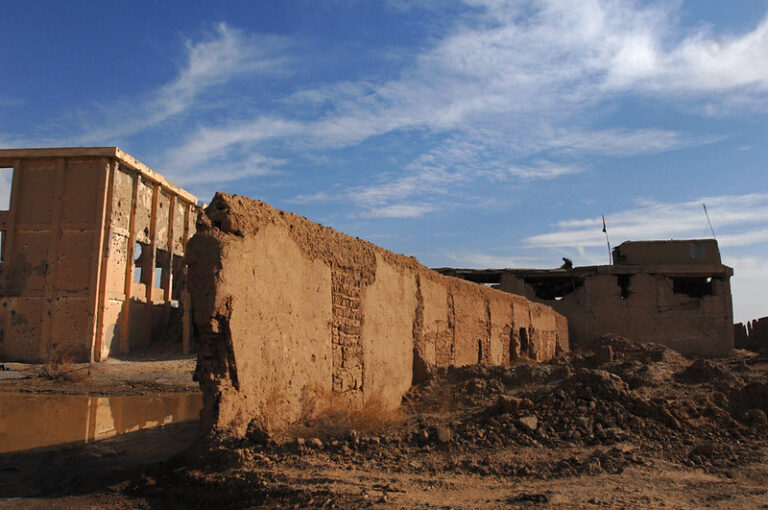
One of the most important lessons in counterterrorism is that terrorist organizations reveal their intentions long before they act. They reveal them through the leaders they elevate, the institutions they rebuild, the capabilities they invest in, and the people they trust to shape the next generation. Those indicators often tell us far more about the future than any propaganda statement ever will.
No results found.
Stay Up To Date
Subscribe to Our Newsletter and Stay Up to Date with the Latest Special Operations Forces Support News and Events