News & Briefings
Get the latest news and SOF commentary here. Your source for all news SOF since 2017.
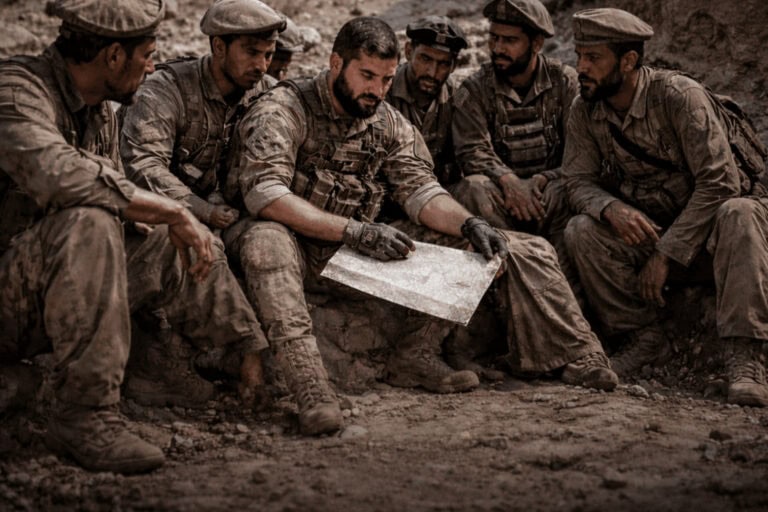
The United States’ long and difficult history with population-centric irregular warfare is a story of a recurring puzzle. Across the globe, from Vietnam to Afghanistan, U.S. forces have demonstrated unparalleled tactical competence yet have consistently struggled to translate these battlefield successes into durable strategic outcomes. The core of this struggle lies in the human domain, or the complex and often frustrating challenge of advising, partnering with, and ultimately winning the trust of indigenous forces and the populations they represent.
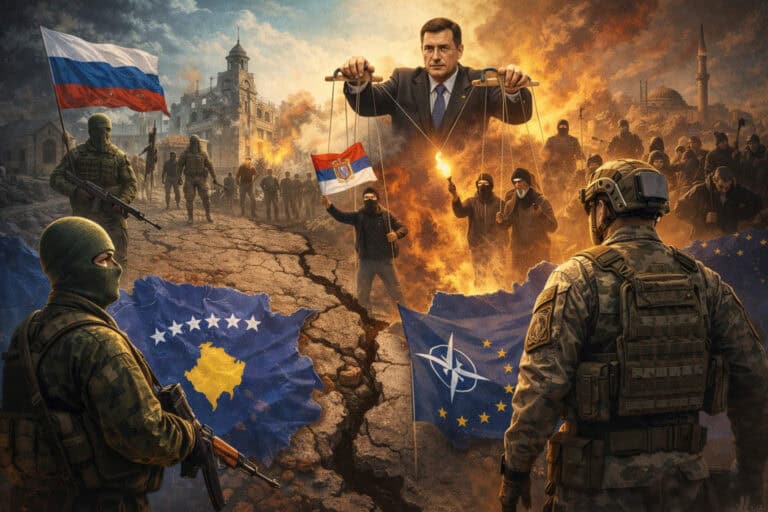
A core challenge in modern great power competition is effectively responding to the ambiguous, non-military forms of activities characterized as part of the “gray zone”. Russia is actively engaging in these operations in critical areas where the West has its shared interest, such as the Western Balkans. Moscow’s goals in this tense region are to diminish European Union and the U.S. influence, reverse Euro-Atlantic integration, and keep the countries of former Yugoslavia in a constant state of turmoil.
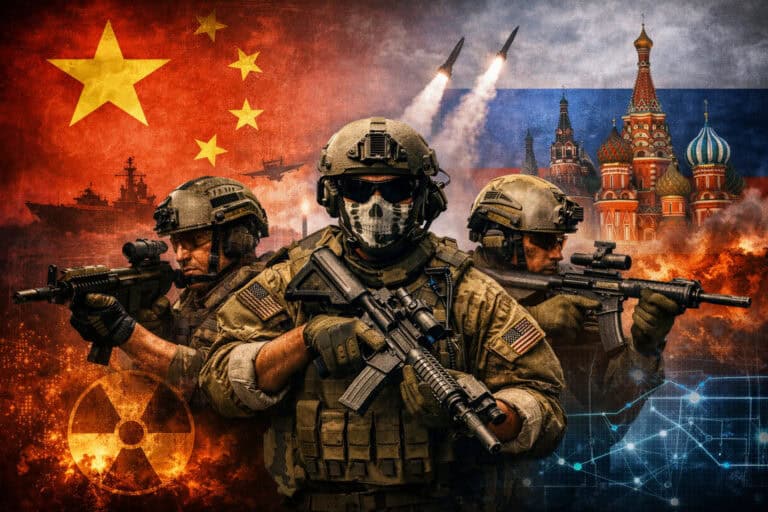
In an era of strategic competition, America’s adversaries are engaged in persistent operations against US interests in a spectrum of low-intensity conflict frequently referred to as the “gray zone”. The legal and bureaucratic limitations for the use of power that have served America well in the past are being effectively exploited by peer and near-peer adversaries. The US should proactively aim to divert, distract, and degrade enemy capabilities through restructuring the US Special Operations Forces’ (SOF) mission set to operate against its adversaries in the gray zone. Counterinsurgency and Foreign Humanitarian Assistance should be removed from SOF’s Core Activities and given to other entities, and Persistent Gray Zone Operations (PGZO) should be added to SOF’s Core Activities. PGZO will seek to deter enemy provocations by lowering the threshold for attribution of subnational actors’ operations to the foreign states whose interests they serve, increasing SOF’s information warfare capability to project US messaging into adversarial countries, and fomenting instability in diverse regions where the US seeks to gain an asymmetric advantage over its adversaries.
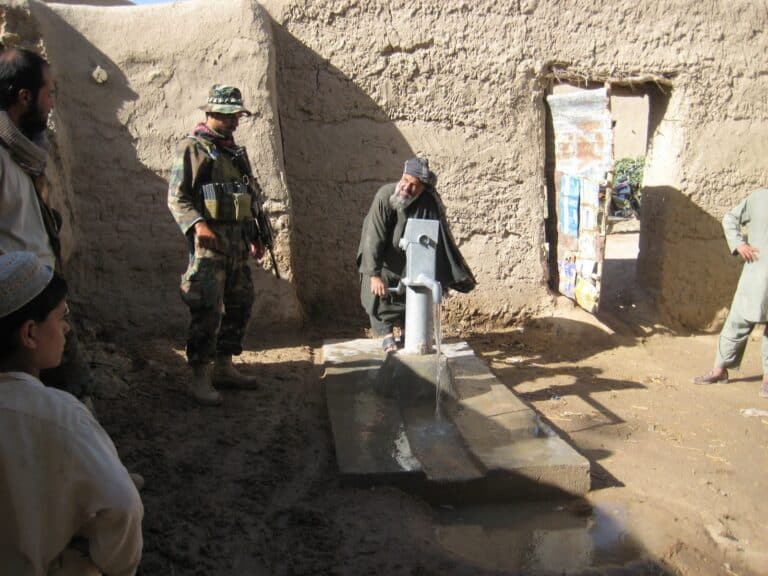
Department of Defense Instruction 3000.07 defines Irregular Warfare with ambiguous criteria, including indirect approaches and asymmetric activities, which are also characteristic of conventional warfare. This lack of differentiating criteria complicates planning and approval processes. To provide a clearer distinction, this article proposes adding a complementary criterion, the level of state stewardship (state authority, entitlement, and responsibility), to differentiate state, or conventional, forces from irregular forces such as private militias, criminals, and disenfranchised groups. This model also proposes a model for visualizing and categorizing operations and activities within the spectrum of irregular and conventional warfare. Recognizing the presence of irregular forces in a contest will allow commanders to better apply the specific laws, authorities, and doctrines for supporting or targeting non-state forces.
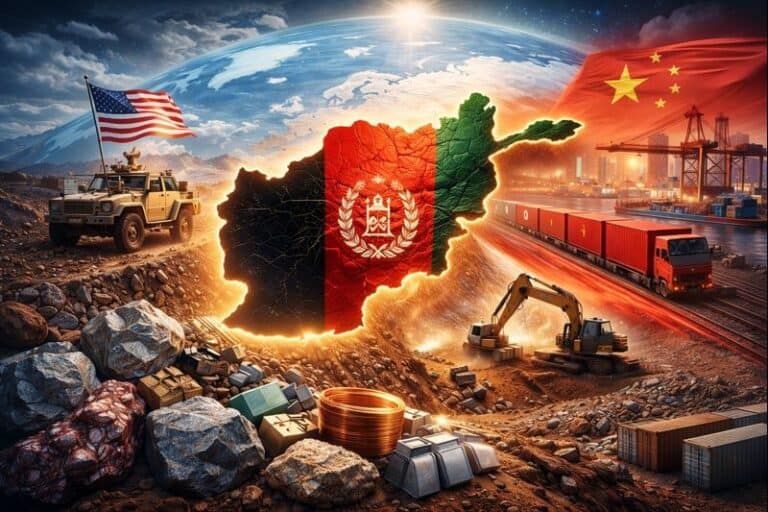
Afghanistan remains relevant to the United States in the context of Great Power Competition. While China assumed a major role in Afghanistan after the U.S. withdrawal, its promises of economic performance on mineral extraction contracts continue to underperform financially. The U.S. has an opportunity to compete for strategic minerals by changing where value is gained in the strategic supply chain.
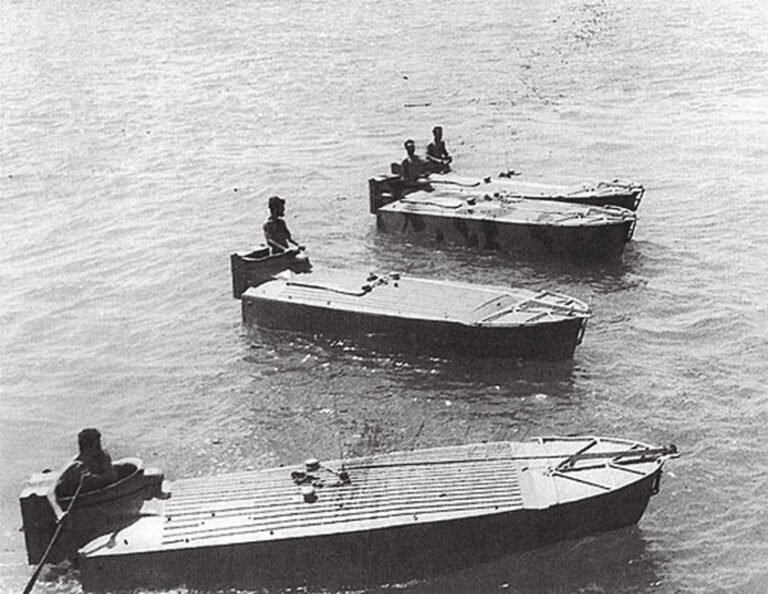
In an era of renewed strategic rivalry, the maritime domain has become a central arena for irregular threats—coercive but deniable, asymmetric yet strategically consequential. Adversaries such as China, Iran, Russia, and North Korea increasingly employ maritime militias, legal warfare, cyber-enabled coercion, and proxies to exert influence and challenge the international order below the threshold of conventional war. Their actions not only pressure larger maritime powers but also demonstrate to smaller maritime nations, including U.S. allies, how irregular methods can be leveraged to offset conventional disadvantages.
No results found.
Stay Up To Date
Subscribe to Our Newsletter and Stay Up to Date with the Latest Special Operations Forces Support News and Events