News & Briefings
Get the latest news and SOF commentary here. Your source for all news SOF since 2017.
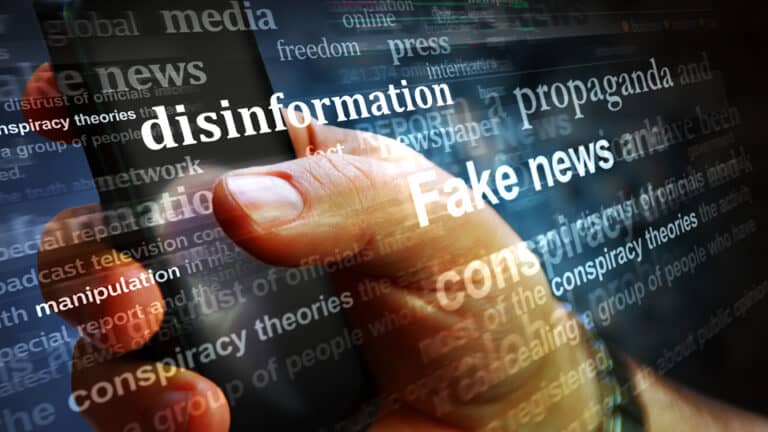
This article examines the implications of Just War Theory, an ethical framework governing the use of lethal force by governments, for the use of information warfare in the 21st century. The author posits that ethical considerations demand a robust, integrated approach to information operations, both as a means of averting armed conflict and for accomplishing strategic objectives with minimal human harm or suffering. Classical ethics theories are applied to the requirement for and application of information warfare in the modern context.

“If we carry out the cabbage strategy, you will not be able to send food and drinking water onto the islands. Without the supply for one or two weeks, the troopers stationed there will leave the islands on their own. Once they have left, they will never be able to come back.”
— Major General Zhang Zhaozhong, People’s Liberation Army, May 2013
“If sliced thinly enough, no one action will be dramatic enough to justify starting a war. How will a policymaker in Washington justify drawing a red line in front of a CNOOC oil rig anchoring inside Vietnam’s EEZ, or a Chinese frigate chasing off a Philippines survey ship over Reed Bank, or a Chinese infantry platoon appearing on a pile of rocks near the Spratly Islands?”
— Foreign Policy, “Salami Slicing in the South China Sea,” 2012

Consider the power to dictate who is perceived as “right” or “wrong” in conflicts like the
Russia–Ukraine War or Israeli–Gazan conflict, or to reshape the outcome of a nation’s
election in the minds of its citizens. Imagine the U.S. and its allies not merely swaying
opinions but reconstructing the very reality in which adversaries like North Korea, the
Chinese Communist Party (CCP), Iran, or violent extremists make judgments, aligning their
perceptions with U.S. strategic objectives.
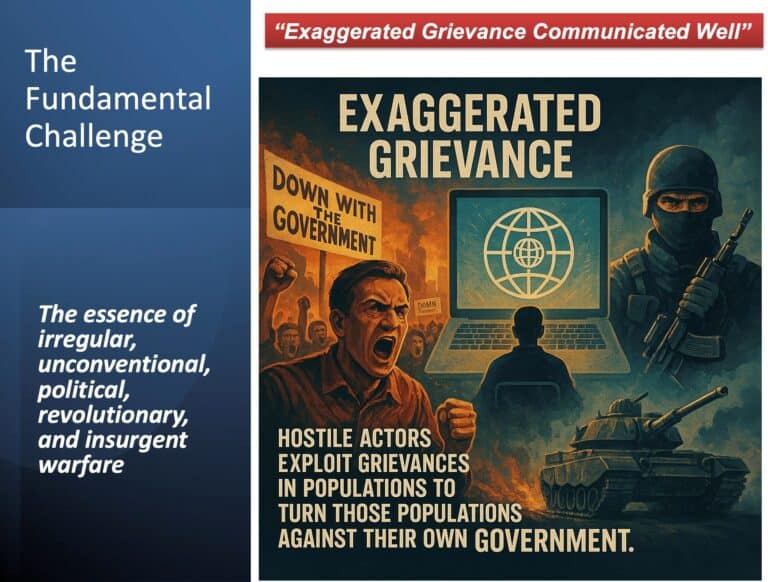
President Trump’s 30 September 2025 call to “deploy the military to American cities to fight the enemy within,” together with the Department of War’s institutional steps to teach irregular-warfare methods for homeland application, hands a strategic and symbolic, victory to our authoritarian adversaries. The rising public tolerance for political violence, captured in a new PBS NewsHour / NPR / Marist poll, demonstrates a dangerous domestic trajectory: if Americans convince themselves that violence may be necessary to “set the country on track,” they may be producing the very “enemy within” that political leaders claim to fear. By normalizing domestic militarization and securitization of political conflict, the United States risks validating the “Dark Quad’s” playbook and accelerating the inward turn adversaries hope to cause. This paper offers an alternative path that defends the republic without surrendering democratic and American norms.
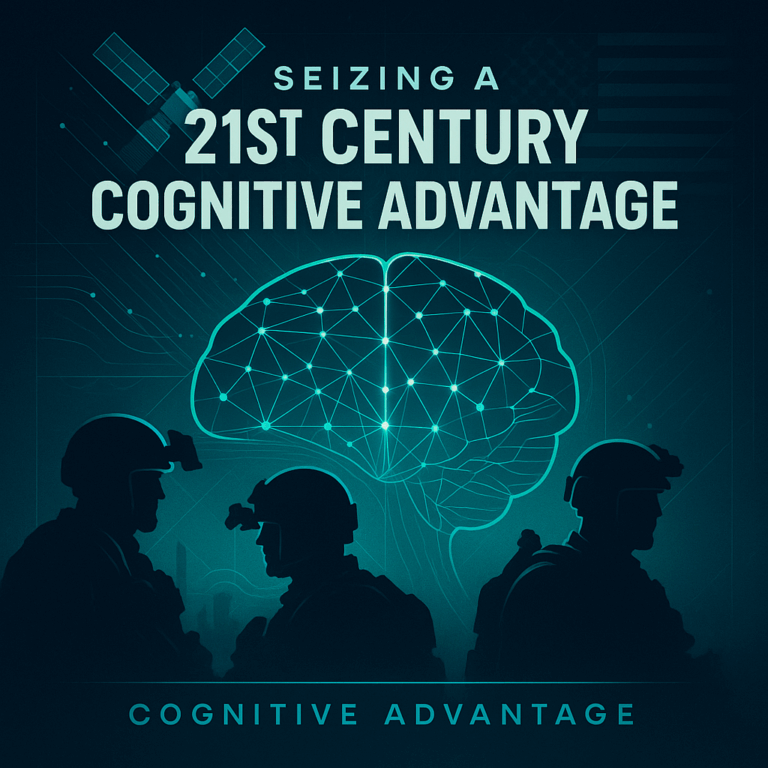
In 1943, a body washed up on a beach in Huelva, Spain. It was the body of a Royal Marine officer, Major William Martin. Martin was carrying papers, cuffed to his wrist in a briefcase, suggesting that the Allies would invade Greece and Sardinia, not Sicily. Spain was officially neutral, but a few Spanish officials sympathetic to the Nazis allowed German agents to discreetly photograph the documents before Spain quietly passed the documents to the British. Those British officials appeared to be in a state of panic over the lost briefcase.
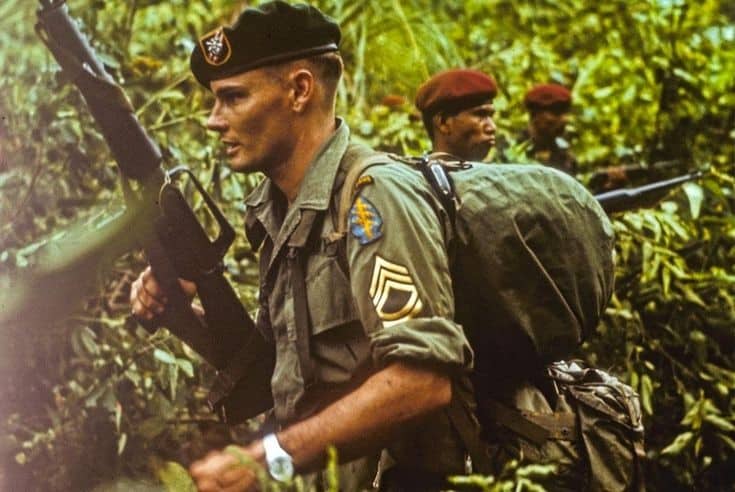
While units like the Navy SEALs and Army Green Berets are widely recognized for their guerrilla operations, advisory roles, and direct combat during the Vietnam War, one critical team often remains in the shadows: MACV-SOG. The Military Assistance Command, Vietnam – Studies and Observations Group was a top-secret, elite organization that fused the capabilities of special forces soldiers with CIA operatives, creating a unit trained for some of the conflict’s most dangerous and consequential missions.
No results found.
Stay Up To Date
Subscribe to Our Newsletter and Stay Up to Date with the Latest Special Operations Forces Support News and Events